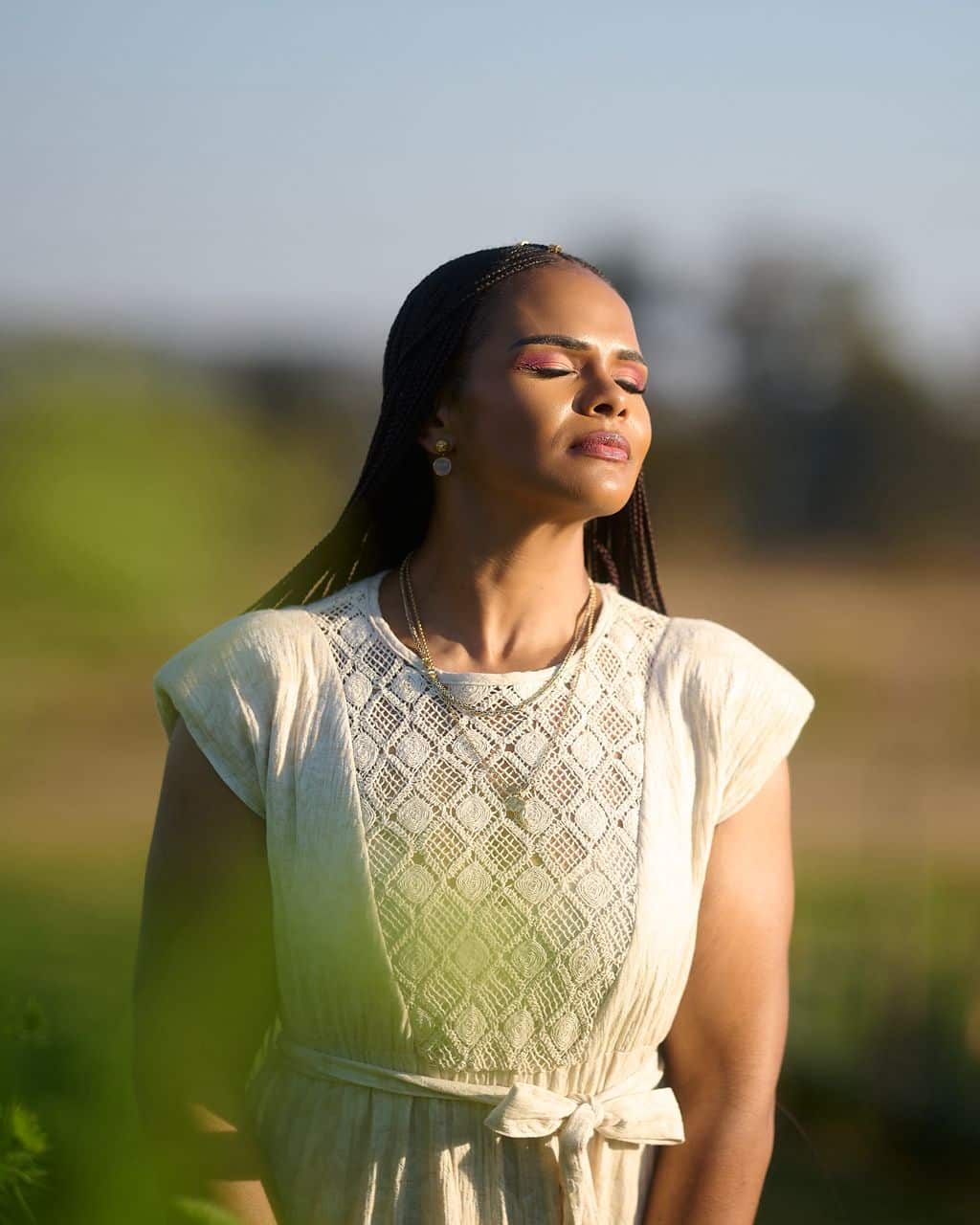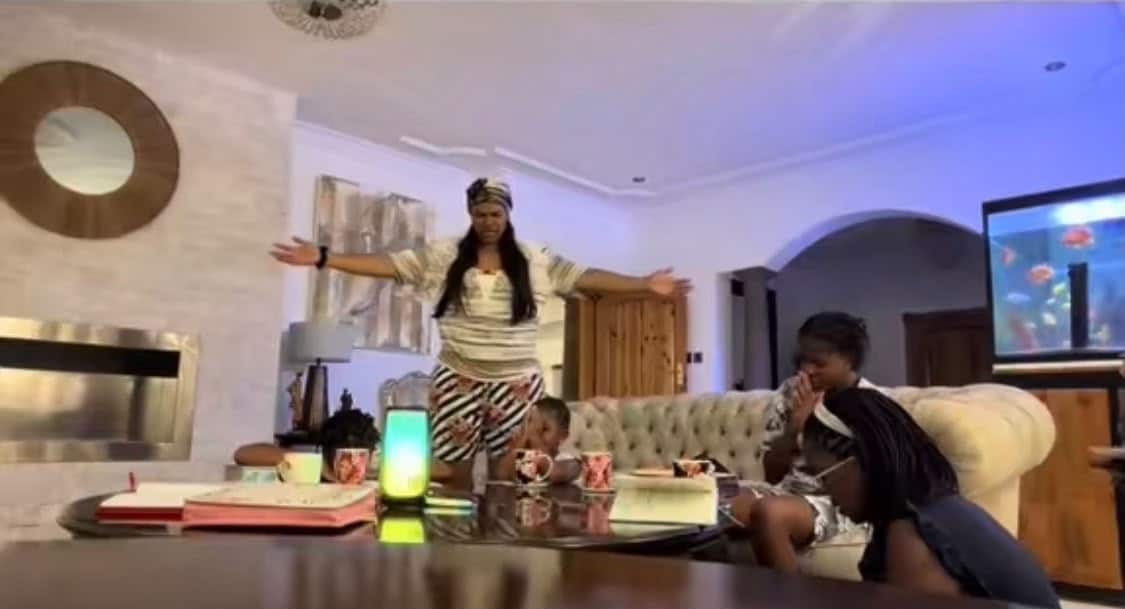
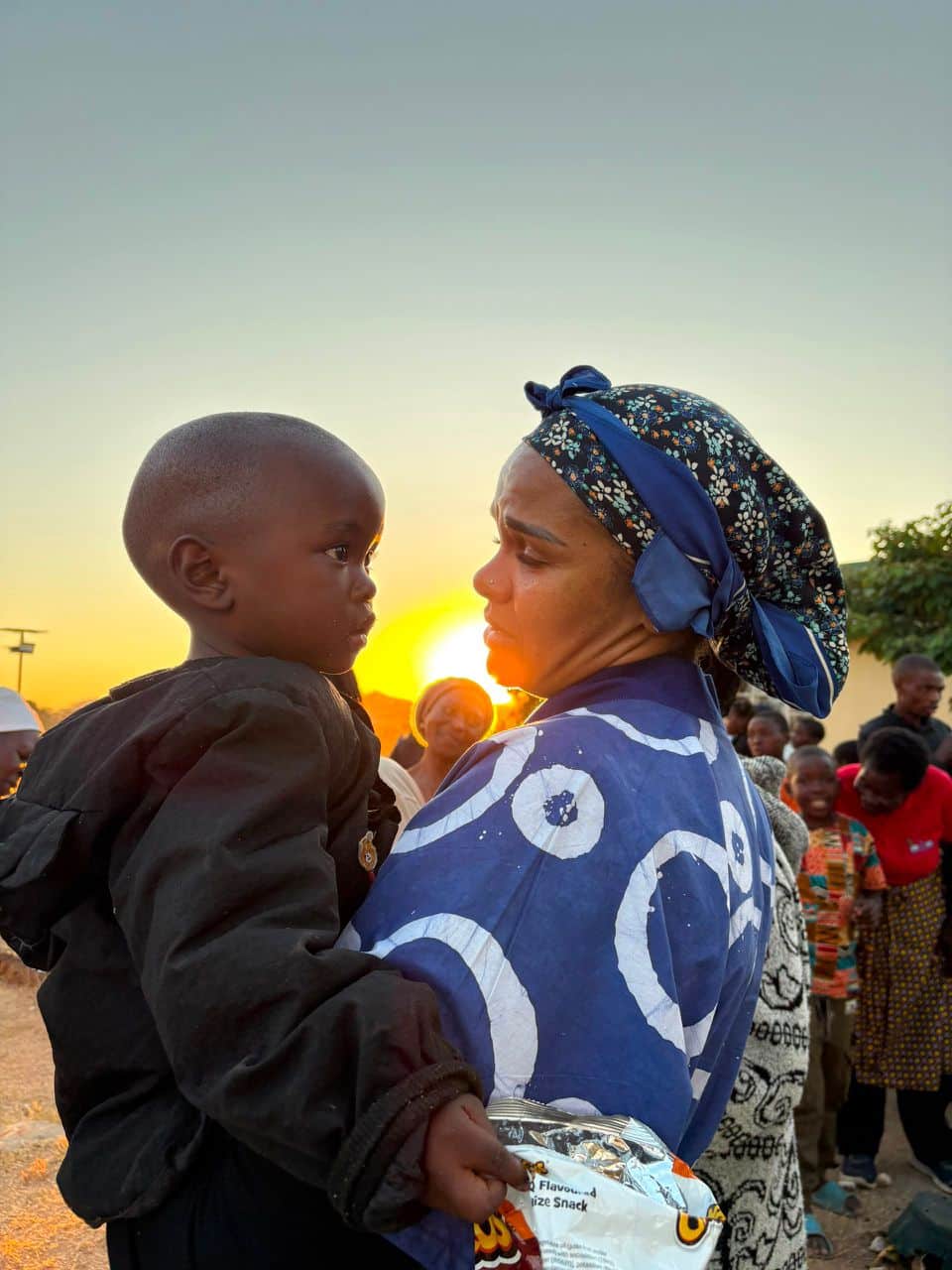
There is a particular quality of clarity that comes when you choose to go, not because it is convenient, but because you have been called. That is what faith-led service feels like in practice. It is rarely grand. More often, it is a long drive, a dusty road, and a community of people whose needs far exceed what headlines have ever captured.
On Friday, 20 June, my team and I had the privilege of joining Pastor Victoria in Nyazura for a day of service, restoration, and community upliftment. The day also took us to Little Kraal Prison, in recognition of Men’s Mental Health Month. What we encountered in both places reminded me why intentional compassion, not just good intentions, is the foundation of meaningful impact.
Why Faith-Led Service Calls Us to the Overlooked
Impact is rarely found in the places that attract applause. It tends to live at the margins, in a prison yard, in a rural orphanage, in the hands of a pastor who serves without recognition and without stopping.
That conviction shapes everything we do through the Wellness Without Limits platform and Arimah’s CSR initiatives. We do not show up where it is comfortable. We go where the need is greatest, where dignity is most at risk of being forgotten, and where a consistent, faithful presence can shift something in a person.
Proverbs 19:17 puts it simply: “Whoever is kind to the poor lends to the Lord, and he will reward them for what they have done” (NIV). That is not a directive to write a cheque from a distance. It is an invitation to proximity.
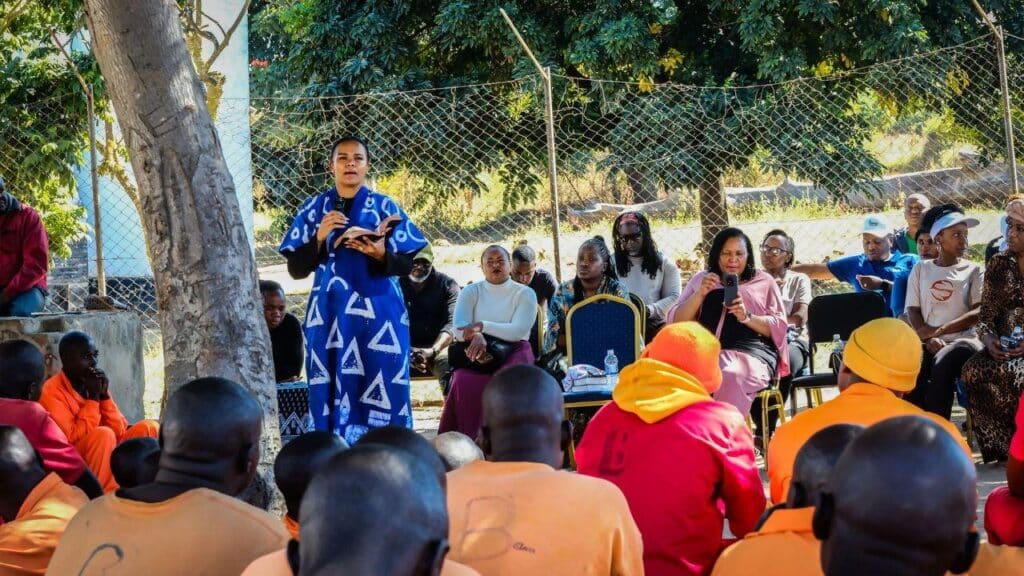
Leya Mnangagwa is addressing the Little Kraal Prison community on men’s mental health, dignity, and restoration.
Little Kraal Prison: Mental Health, Dignity, and the Right to Be Seen
We arrived at Little Kraal Prison with a simple mandate: be present, speak life, and affirm the worth of every person we encountered.
Together with the Wellness Without Limits team, we led devotionals, shared scripture, and facilitated intentional conversations around mental wellness, accountability, healing, and restoration. We engaged with the men not as the sum of their past decisions, but as individuals whose stories are still being written.
Mental health challenges do not diminish a person’s value. Confinement does not forfeit dignity. Those truths are not radical, they are simply what it means to see people the way God sees them. However, they are truths that need to be spoken aloud, in person, directly to someone who may not have heard them in a very long time.
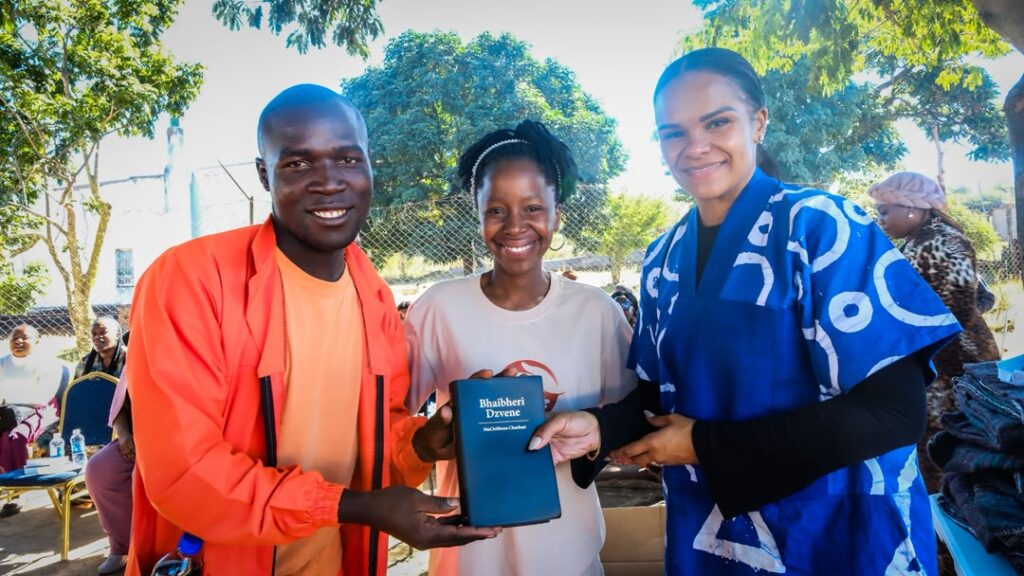
In recognition of Men’s Mental Health Month, we also distributed Bibles, devotionals, and care packages comprising groceries, toiletries, blankets, tissues, and other essential household items. These were not given as donations in the transactional sense. They were offered as tangible reminders that these men are seen, remembered, and worthy of care.
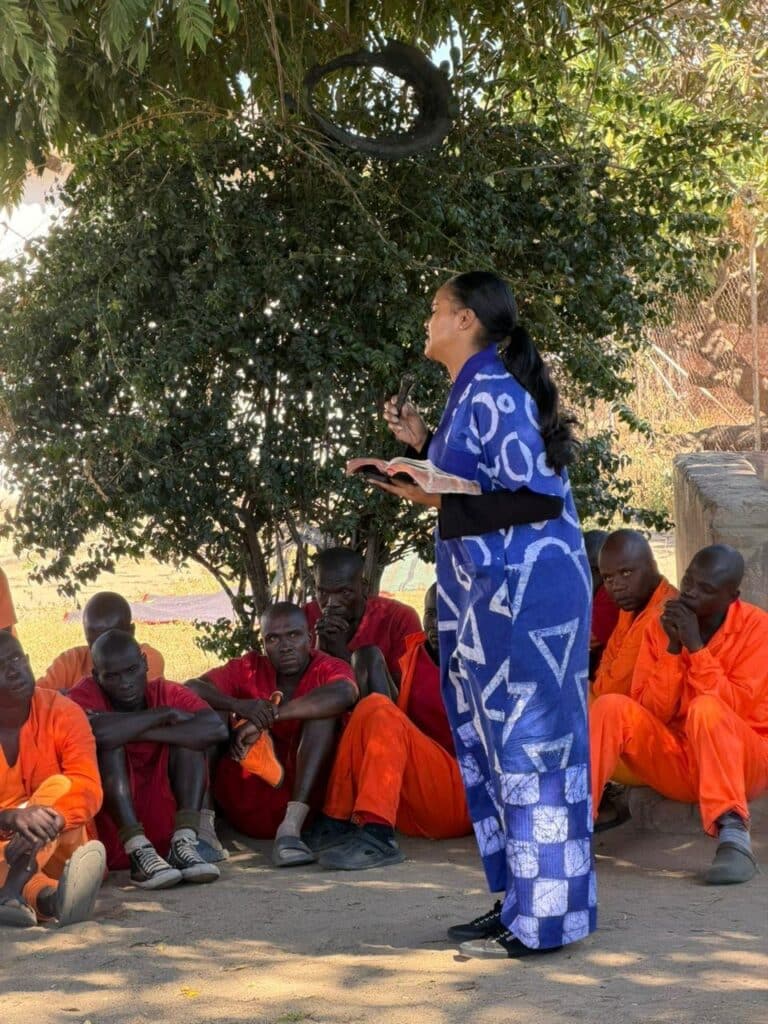
Leya is reading from scripture to the men gathered at Little Kraal Prison.
What Does Consistent, Intentional Service Actually Look Like?
It looks like Pastor Victoria.
When we arrived in Nyazura at the Love and Hope Foundation orphanage, I was struck immediately by what I saw: a woman who had been showing up, with limited resources, for years. No fanfare. No large donor base. Just a sincere, unwavering commitment to meeting the needs of the children in her care and the community beyond her fence.
Her consistency is its own form of leadership. It is the kind I find myself writing about often, the kind that is built on purpose rather than profile. If you want to understand what I mean by that, I explored it in more depth in an earlier post on purposeful leadership, linked below.
Partnership Turns Presence into Lasting Impact
One of the most important lessons I carry from days like this is that presence alone, while meaningful, is not enough. What transforms a visit into lasting impact is partnership.
Through the generosity of our partners, we were able to do several concrete things at the Nyazura orphanage:
- Phumulani and Books for Africa contributed educational resources to begin establishing a functional library for the children.
- Buddy Solar provided solar lamps, extending learning time beyond daylight hours and creating safer environments for the children.
- We committed, together with our partners, to drilling a borehole that will provide sustainable access to clean water for the foundation and the broader Nyazura community.
These are not one-day gestures. They are investments with a return measured in years, in children who can study after dark, in families who will not walk kilometres for clean water, in a community that knows someone has chosen not to look away.
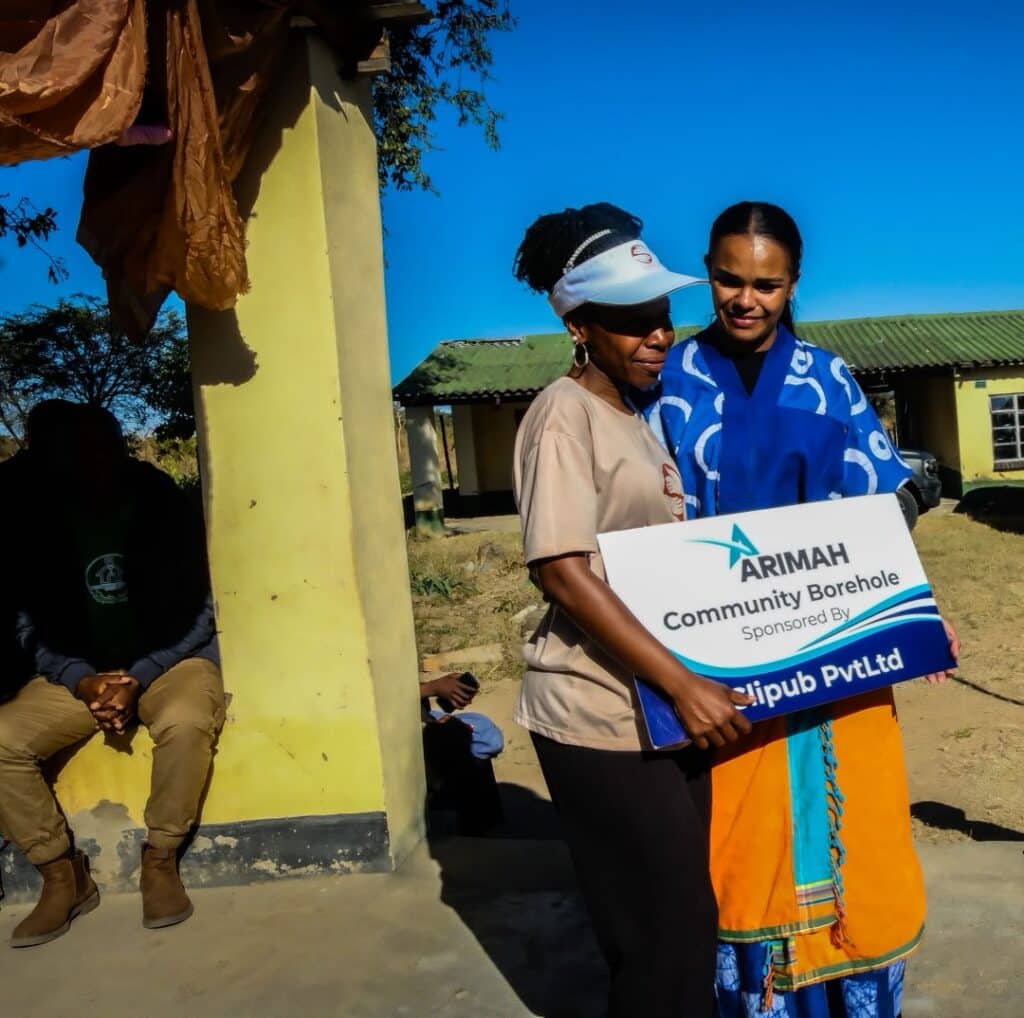
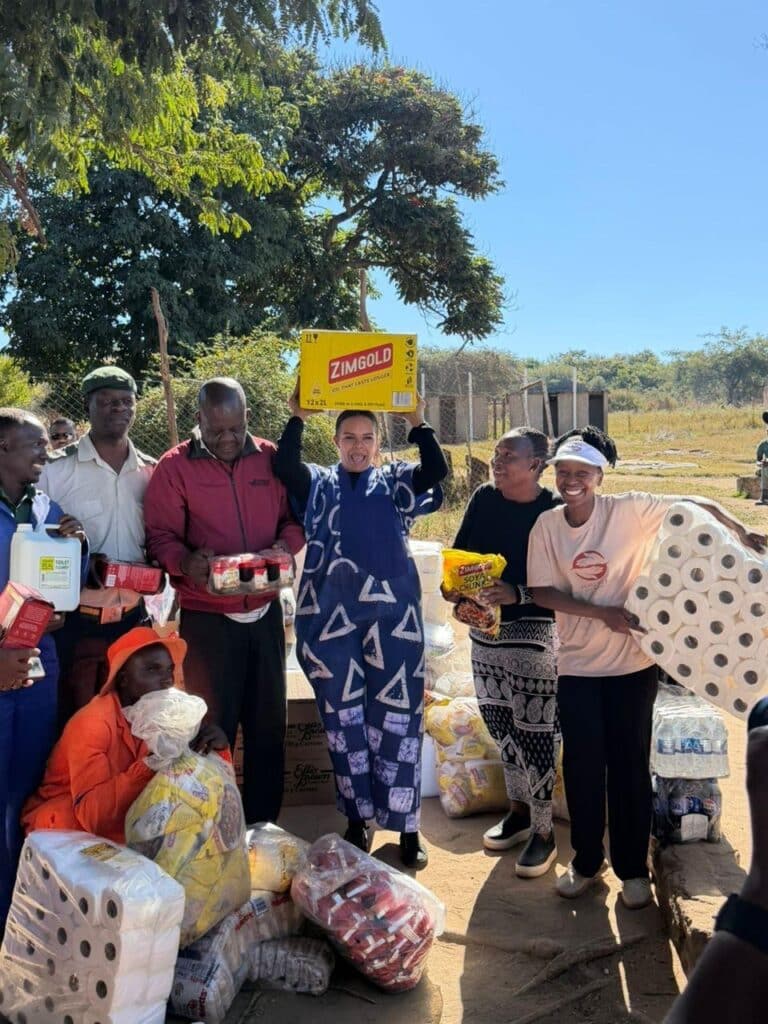
The team with care packages and food donations at Little Kraal Prison. The day included the distribution of groceries, toiletries, blankets and Bibles and Borehole.
Why Mental Wellness and Community Service Are Inseparable
I want to be direct about something: the Wellness Without Limits platform exists because I believe wellness is not a private pursuit. It is communal. It is relational. And for many people in Zimbabwe and across Africa, it is profoundly shaped by whether their community sees them, protects them, and invests in them.
The men at Little Kraal Prison are navigating mental health challenges in an environment that rarely affirms their humanity. The children in Nyazura are growing up in conditions where access to books and clean water is not guaranteed. These are wellness issues. They are also justice issues.
Faith-led service is the point where those two things meet. It is how I understand my calling, and it is what drives the Arimah’s CSR work on the ground.
The Friendship Bench Zimbabwe, a model of community-based mental health support that has reached thousands of Zimbabweans, is one example of what is possible when mental wellness is treated as a community responsibility, not a private burden. We draw inspiration from that approach.
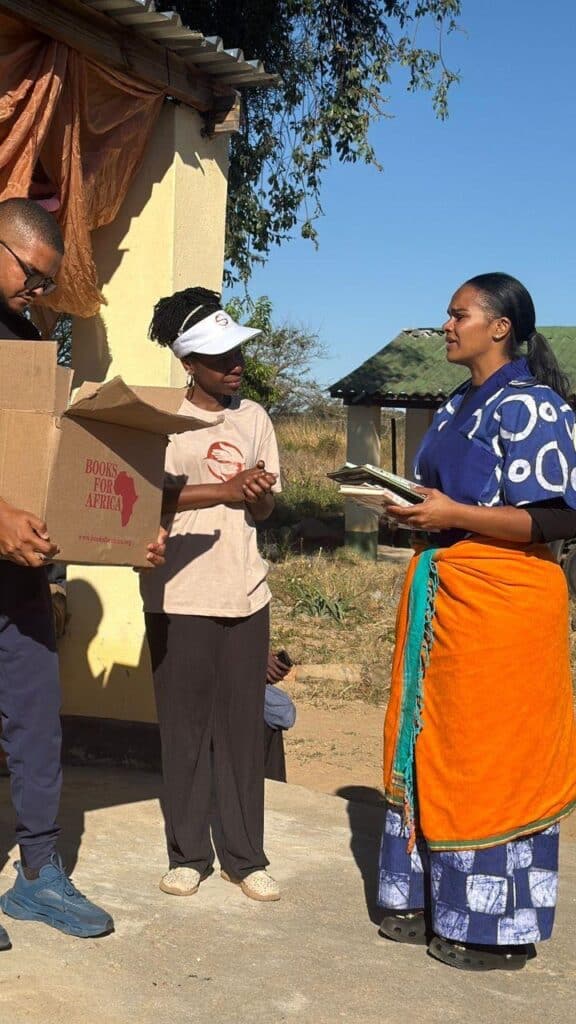
Books for Africa donation box arriving in Nyazura. Educational resources were contributed to begin establishing a library at the Love and Hope Foundation orphanage.
What Does It Mean to Lead with Compassion and Not Just Good Intentions?
There is a difference between meaning well and doing well. Good intentions are easy. Intentional compassion, the kind that costs you something, that requires planning, partners, and a willingness to be uncomfortable, is harder and rarer.
The day in Nyazura and Little Kraal Prison was a reminder that impact is rarely measured by scale. It is measured by faithfulness. By showing up consistently. By choosing, again and again, to respond when the need is greatest, even when no one is watching, even when the road is long.
That is the standard I hold myself and my team to. It is also what I hope this platform models for every woman reading it who is wondering whether her contribution is large enough to matter. It is. It always was.
Carry This Forward
To every partner, supporter, and friend who continues to believe in this vision, Phumulani, Books for Africa, Buddy Solar, and all those who gave quietly and generously, thank you. Your contributions reach far beyond the resources exchanged. They restore hope, strengthen communities, and remind people that they have not been forgotten.
Faith-led service is not a programme. It is a posture. And as long as there are communities that need to know they are seen, we will keep going.
If this post resonated with you, I would love to hear your thoughts in the comments. You can also share it with someone who needs the reminder that their quiet, consistent service matters.
Further reading: What Running a Women’s Wellness Event Taught Me About Community | On Faith and Ambition: Holding Both Without Apology